#009: Representing the Feminine Voice (with Sarah Hart and Kate Williams, featuring Dolly Sokol)

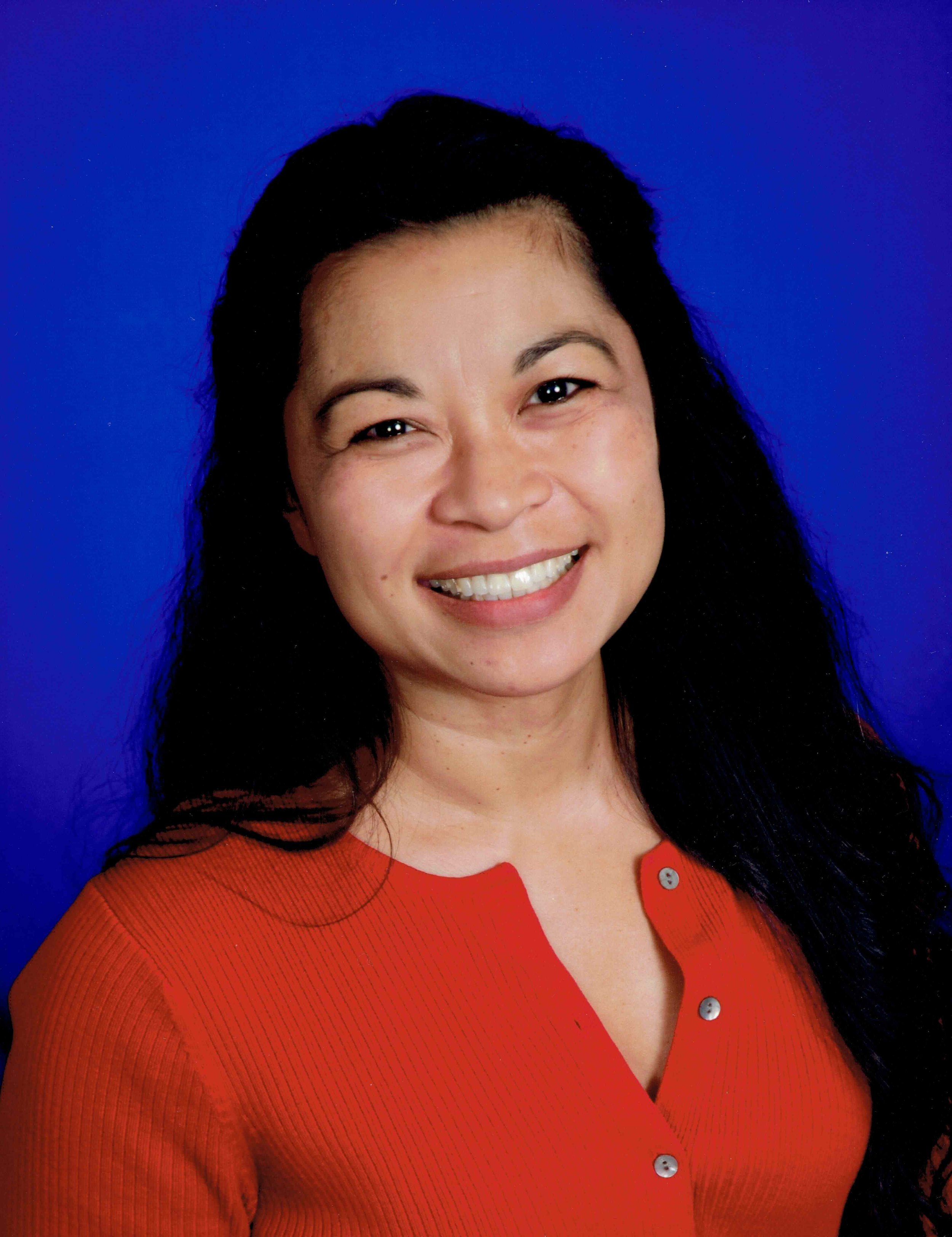
Sarah Hart

Sarah Hart

One of the major pastoral opportunities facing those of us in ministry is in the area of representation. With increasingly diverse membership, even in rural and outlying communities, there isn’t a parish in existence that shouldn’t be evaluating their practice carefully. As our cultural paradigm shifts from “believing leads to belonging” to “belonging leads to believing,” our success in gathering, leading, and ministering to a community starts with whether the members of that community feel they belong in the first place. 

Kate Williams

Kate Williams

In our last episode, Diana Macalintal challenged us to consider the issue of representation when we process and evaluate our liturgical celebrations. In particular, Diana challenged us to ask how much of our liturgical music repertoire was composed by women. In this episode, we explore that challenge more deeply through conversation with two important voices: Sarah Hart and Kate Williams. In doing so, we consider the progress that women composers have made in liturgical circles, the barriers that remain, and we ask, “what, exactly, is the feminine compositional voice”? 


SHOW NOTES

To join us this summer at the national convention in Baltimore, Maryland, visit the 2018 NPM convention website

You can find out more about Sarah Hart, her compositions, and her other work by visiting her composer page at www.ocp.org and her personal website at www.sarahhart.com. Her article, "Finding the Feminine Voice: A Woman Composer in the Church," was published in the March 2018 issue of Pastoral Music

You can read Dolly Sokol's article, "Liturgical Principles for a New Consciousness," in the NPM digital publications archive. It is found in the October-November 1987 issue of Pastoral Music.

For more information about composing and publishing liturgical music, consult the links below, arranged alphabetically (NOTE: This is an incomplete list of resources. Please contact us if you would like additional links listed).

GIA Publications | Hope Publishing | ILP Music | Liturgical Press | MorningStar Music | OCP | World Library Publications

The recording of "Resucito" was produced by OCP.  The piano recording of "Beach Spring" was performed by Fr. Robert Koopmann, OSB, on the album Sacred Improvisations

Visit NPM's digital resource library, referenced at the end of the episode. 

All content of this podcast is property of the National Association of Pastoral Musicians or its content suppliers and is protected by United States and international copyright laws. For information about the podcast and its use, please contact us.
#008: Only 374 Preparation Days to Triduum (with Diana Macalintal, featuring Rachel Held Evans)

Diana Macalintal

Diana Macalintal

Doing real, objective evaluation of our liturgies, especially major celebrations like those during Triduum, is so important, yet can be difficult to get right. Often, we are tempted to do the evaluating in real time, while the liturgies are happening, but that prevents us from entering into the prayer and mystery of the celebration. Other times we are tempted to wait, and we do, but we wait too long and so forget what went well, what went wrong, or ideas about what might be done differently. Today our evaluation gets a boost from two important sources: Diana Macalintal provides a list of ten triduum pro-tips. Rachel Held Evans asks the question, “So how was your Easter…really?” 


SHOW NOTES

Rachel Held Evans

Rachel Held Evans

To join us this summer at the national convention in Baltimore, Maryland, visit the 2018 NPM convention website

Download Diana's evaluation resources from today's episode by visiting her website.

You can find out more about Diana Macalintal and her work at www.TeamRCIA.com and at liturgy.life. You can find information about her publications by visiting the Liturgical Press. You can also find out more about her music compositions by visiting World Library Publications

You can read the full text of Rachel Held Evans' blog post, "So How Was Your Easter...Really?" on her website. The original post was dated April 9, 2012.

The recording of "Resucito" was produced by OCP. The recording of "Alleluia, Sing to Jesus," arranged and performed by Paul Tate, was produced by GIA Publications. 

Visit NPM's digital resource library, referenced at the end of the episode. 

All content of this podcast is property of the National Association of Pastoral Musicians or its content suppliers and is protected by United States and international copyright laws. For information about the podcast and its use, please contact us.

#007: A Lively History of Music in Liturgy (from the archives, with Alexander Peloquin)

Dr. Alexander Peloquin (1918-1997)

Dr. Alexander Peloquin (1918-1997)

Lent is behind us. Triduum is over. Our Easter Sunday liturgies are complete. Alleluia, indeed! Today, we’ll hear a lively presentation from the late Dr. Alexander Peloquin. Recorded at the first NPM national convention in 1978, Dr.  Peloquin shares a lively history of music in the liturgy. For the next hour, he will explore the evolution of liturgical music. From the earliest chants to the great sequences and hymns of the Reformation and Counter Reformation, right through to the early years of post Vatican II music, you’ll hear examples of how music in the Church has been influenced – and has influenced in turn – the development of western music. Dr. Peloquin combines music theory, liturgical history, pastoral commentary, and a good deal of humor.

Before we get to the recording, two quick notes.

First, a word about today’s presenter. Dr. Alexander Peloquin was a liturgical composer, organist, teacher, and director of music. Throughout his extensive career, he worked with Leonard Bernstein, Aaron Copland, Dave Brubeck, and Thomas Merton. A strong proponent of the reforms established by the Second Vatican Council, in 1964, Dr. Peloquin composed the first Mass sung in English. Dr. Peloquin died in 1997. You can read more about his life and works in the show notes for this episode on our website, ministrymonday.org.

Second, this presentation was digitized from an archival tape recording. As you can expect from a forty-year old tape, there are a few sound issues here and there. Still, we hope that you enjoy this gem from our archives. We’ll be back with new interviews and conversations next week.


SHOW NOTES

To join us this summer at the national convention in Baltimore, Maryland, visit the 2018 NPM convention website

You can read more about Dr. Alexander Peloquin on his composer page from GIA Publications. You can also read an article about his life on the Boston College website.

The recording of "Resucito" was produced by OCP.

Visit NPM's digital resource library, referenced at the end of the episode. 

All content of this podcast is property of the National Association of Pastoral Musicians or its content suppliers and is protected by United States and international copyright laws. For information about the podcast and its use, please contact us.